
A domain trademark conflict occurs when the name you want to register or purchase is identical or confusingly similar to an existing registered or common-law trademark used in the same or related industry. Before buying any 5-letter domain, you must run a USPTO TESS search, a common-law and social media search, and an international trademark database check to confirm the string isn’t already protected. Skipping this due diligence can expose you to a UDRP complaint, an ACPA cybersquatting claim, or a costly forced rebrand months after launch.

Five-letter domains sit in a strange sweet spot. They’re short enough to feel premium, long enough to form a real word or brandable coinage, and rare enough that most of the good ones are already registered – which is exactly why buyers rush the purchase and skip the legal homework. If you’re evaluating a 5-letter domain for sale for a startup, SaaS product, or resale investment, a quick trademark check can be the difference between a clean acquisition and a six-figure rebrand order.
This guide walks through exactly how to identify a domain trademark conflict before you wire a single dollar, including the databases to search, the red flags to watch for, and the mistakes that even experienced domain investors keep making.
What is a Domain Trademark Conflict?
A domain trademark conflict is a legal dispute that arises when a domain name is identical, or confusingly similar, to a trademark that another party already owns rights to – either through federal registration or through consistent commercial use (“common law” rights). The conflict doesn’t depend on who registered the domain first; it depends on who established trademark rights first, and whether the domain owner’s use creates a likelihood of confusion in the marketplace.
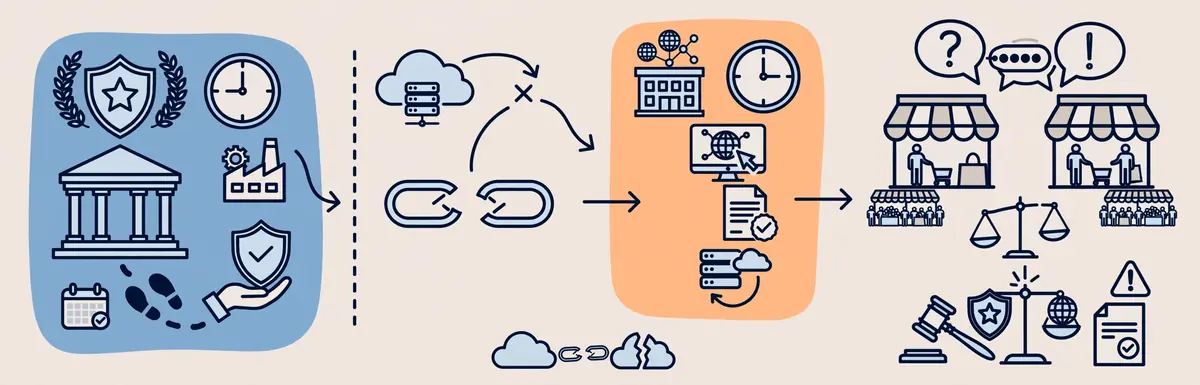
In simple terms, owning a domain does not automatically give you the legal right to use it as a brand name. Domain registration is a contractual relationship with a registrar. Trademark rights are a legal relationship with the marketplace, and the two systems don’t automatically talk to each other.
Quick answer for readers in a hurry: if a 5-letter string is already trademarked in your industry category, registering the matching domain and building a brand around it can trigger a domain trademark conflict – even if the .com was technically “available” when you bought it.
Domain Names vs. Trademarks: Why They’re Legally Different
Understanding this distinction is the foundation of every trademark check you’ll run.
- A domain name is a technical address, licensed through ICANN-accredited registrars, available on a first-come, first-served basis, and renewable indefinitely as long as fees are paid.
- A trademark is a legal right tied to specific goods, services, and geographic markets, granted (in the U.S.) by the United States Patent and Trademark Office or established through actual commercial use.
Because these are two separate systems, it’s entirely possible to legally register a domain and still lose the right to use it commercially. Trademark law generally wins in a dispute, provided the trademark owner can show their rights predate your use and that consumer confusion is likely.
This is precisely why due diligence on a pronounceable 5-letter domain needs to include a trademark check, not just an availability check.
Why 5-Letter Domains Are Especially Prone to Trademark Conflicts
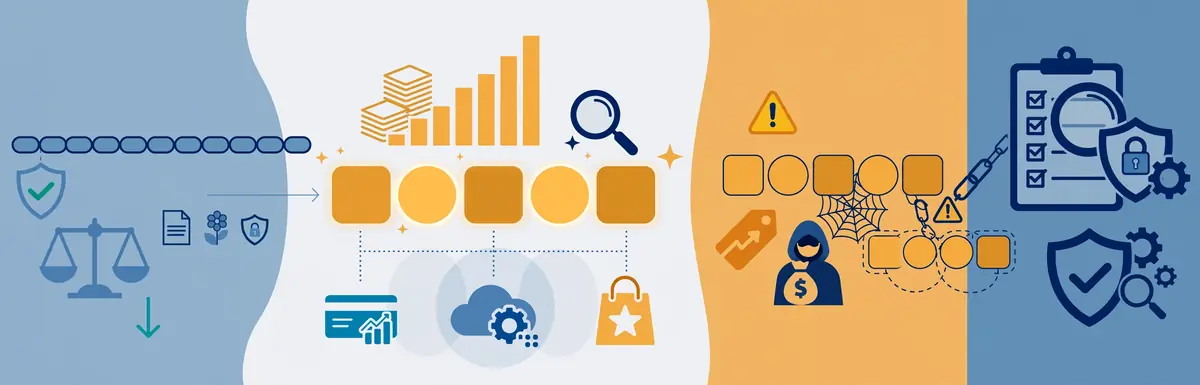
Short, brandable domains carry higher trademark risk than long descriptive ones, for a few structural reasons:
- They read as words or near-words. A 5-letter string is often a real dictionary word, a common misspelling, or a plausible brand coinage – all of which are more likely to already be trademarked than a 12-character technical string.
- Startups love them. Fintech, SaaS, and consumer brands actively hunt for 5-letter .com domains because they’re memorable, which means more companies are actively filing trademarks on exactly this pattern.
- CVCVC and pronounceable patterns repeat. Popular structures like consonant-vowel-consonant-vowel-consonant get reused across unrelated industries, increasing the odds of an accidental overlap with an existing mark.
- High resale value attracts squatters. Domains that resemble known brands (even loosely) sometimes get flagged under the Anticybersquatting Consumer Protection Act (ACPA) regardless of the registrant’s actual intent.
None of this means short domains are inherently risky to own – it means they require a sharper due diligence process than a longer, more descriptive name would.
Step-by-Step: How to Check a 5-Letter Domain for Trademark Liability
Run through these steps in order, before you make an offer or complete a purchase.
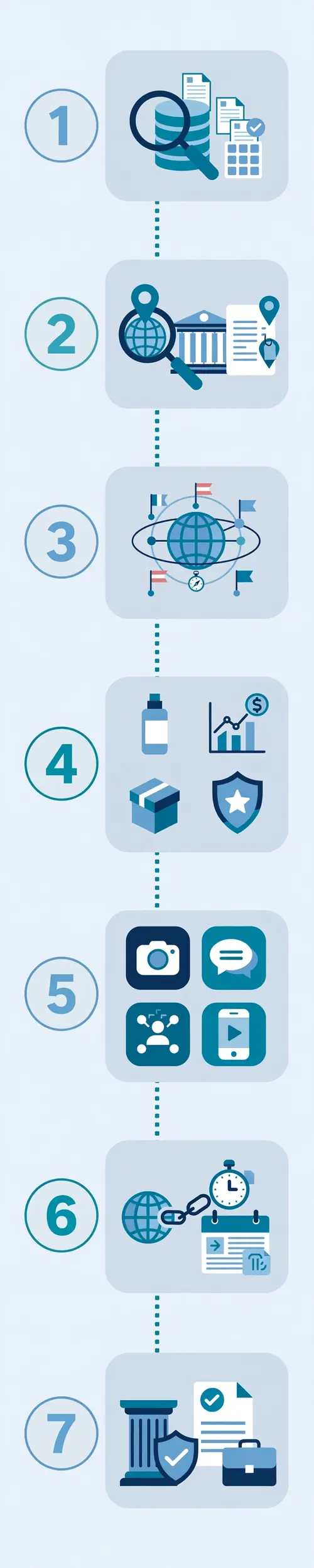
Step 1: Search the USPTO Trademark Database (TESS)
Start with the USPTO’s Trademark Electronic Search System. Search the exact 5-letter string, then search phonetic and visual variants (swap a “y” for an “i”, a “z” for an “s”, and so on). Pay attention to:
- Live vs. dead marks – a cancelled or abandoned trademark generally clears the way, but confirm the status date.
- International Class (IC) codes – a mark registered in Class 25 (clothing) doesn’t necessarily block your use in Class 42 (software), unless the brand is famous enough to claim broader protection.
- Filing basis – “intent to use” filings show a brand actively moving toward launch, even if the product isn’t public yet.
Step 2: Check Common-Law Trademark Rights
Not every brand bothers registering federally, especially early-stage companies. Common-law rights can still be enforceable within the geographic area where the mark is actively used. Search:
- Google (exact match and “quoted” searches)
- State-level business registries and secretary of state databases
- Industry directories relevant to your niche
Step 3: Search International Trademark Databases
If you plan to operate globally, or the domain has a .com extension likely to be used worldwide, extend your search to:
- WIPO Global Brand Database for international filings under the Madrid Protocol
- EUIPO for European Union trademarks
- Country-specific registries for any market you plan to enter
Step 4: Check the Trademark Classes Relevant to Your Niche
Trademark protection is category-specific. A 5-letter word trademarked for skincare products may not block you from using it for a fintech app – unless the mark is considered famous or the categories are deemed “related” by an examiner. Map out the Nice Classification classes relevant to your business model before concluding a search is clean.
Step 5: Run a Brand and Social Media Availability Search
Even without a formal trademark, an actively used brand name across social platforms, app stores, and industry press is a signal of common-law rights and reputational risk. Check:
- Instagram, X, LinkedIn, and TikTok handles
- App Store and Google Play listings
- Crunchbase and industry news mentions
Step 6: Review the Domain’s Ownership and Content History
Use WHOIS lookup tools and the Wayback Machine to see how the domain was previously used. A domain that previously hosted a branded product in your exact category is a red flag worth investigating further, even after a change of ownership.
Step 7: Get a Trademark Attorney Involved for High-Value Purchases
For any acquisition above a few thousand dollars, or any domain you intend to build a company on, a formal clearance search from a trademark attorney is worth the cost. Attorneys can run comprehensive searches across registered marks, common-law use, and pending applications that DIY searches often miss.
If you’d rather see the full acquisition process laid out end-to-end, this step-by-step guide to buying a 5-letter domain walks through negotiation and escrow alongside the legal checks covered here.
Trademark Search Resources at a Glance
| Resource | What It Covers | Best For |
|---|---|---|
| USPTO TESS | Federally registered and pending U.S. trademarks | Any domain intended for U.S. commercial use |
| WIPO Global Brand Database | International trademark filings via Madrid Protocol | Domains targeting global or multi-country markets |
| EUIPO | European Union trademark registrations | Domains targeting EU-based customers |
| State Secretary of State Registries | State-level business and trade name filings | Detecting common-law and regional brand use |
| Google / Social Platforms | Active brand use, even if unregistered | Spotting common-law rights and reputational conflicts |
| WHOIS + Wayback Machine | Domain ownership and historical content | Understanding a domain’s prior branded use |
Understanding “Likelihood of Confusion”
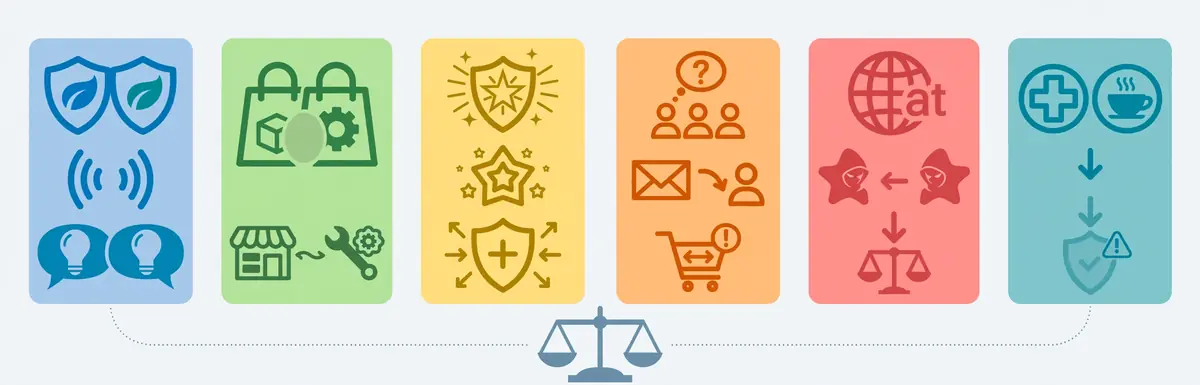
Most domain trademark conflicts hinge on a single legal test: likelihood of confusion. Courts and trademark examiners typically weigh:
- Similarity of the marks – visually, phonetically, and in meaning
- Similarity of goods or services – are you competing in the same or adjacent space?
- Strength of the existing mark – famous or highly distinctive marks get broader protection
- Evidence of actual confusion – customer complaints, misdirected inquiries, or mistaken purchases
- Intent of the newer user – registering a domain that closely mirrors a known brand, in the same industry, weakens your position considerably
If your intended use sits in a completely different industry from the existing mark, and the existing mark isn’t famous, your risk profile drops substantially – but it rarely reaches zero for identical 5-letter matches.
Red Flags That Signal a Domain Trademark Conflict
Watch for these warning signs during your research:
- The exact string appears as a live, registered trademark in your industry’s Nice Classification class
- The domain’s previous owner used it for a branded product or service similar to your intended use
- A quick Google search surfaces an active company using the same name in a related field
- The string is a slight misspelling or phonetic twist on a well-known brand
- The seller is unable or unwilling to explain the domain’s registration and usage history
- The asking price is unusually low for a 5-letter .com, which sometimes signals legal baggage the seller wants to offload quietly

Common Mistakes Buyers Make
Even experienced buyers fall into predictable traps:
- Assuming domain availability equals legal clearance. A registrar showing “available” only confirms no one else owns that exact domain string – it says nothing about trademark status.
- Searching only the exact spelling. Skipping phonetic and visual variants misses a large share of real conflicts.
- Ignoring international marks. A domain clear in the U.S. can still create liability in the EU, UK, or other target markets.
- Skipping common-law searches. Unregistered but actively used brands can still enforce rights and send cease-and-desist letters.
- Rushing high-value purchases without legal review. Saving a few hundred dollars on attorney fees can cost far more in a forced rebrand later.
- Not documenting the search. If a dispute ever arises, a documented good-faith clearance search can meaningfully strengthen your position.
Low-Risk vs. High-Risk Domain Purchase Scenarios
| Factor | Lower Risk Scenario | Higher Risk Scenario |
|---|---|---|
| Trademark status | No live marks in relevant classes | Live, registered mark in your exact industry |
| Domain history | Never actively used as a brand | Previously operated as a branded product |
| Industry overlap | Unrelated industry from existing mark holders | Same or closely adjacent industry |
| Brand fame | No widely known brand shares the string | String matches or closely resembles a famous brand |
| Geographic scope | Single-market, regional use planned | Global .com use planned across multiple jurisdictions |
| Seller transparency | Clear registration and usage history provided | Seller vague or evasive about prior use |
Cybersquatting, ACPA, and UDRP: What Happens If You Get It Wrong
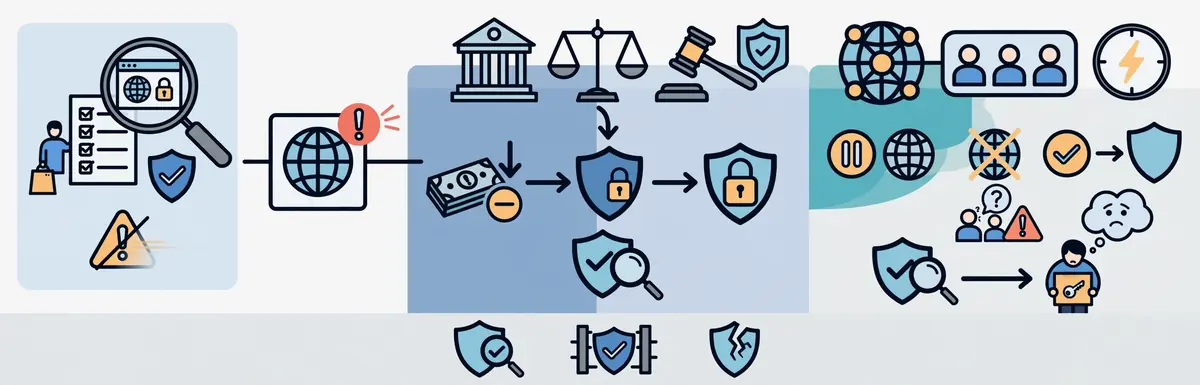
If a domain trademark conflict does surface after purchase, two enforcement paths typically come into play:
- The Anticybersquatting Consumer Protection Act (ACPA) allows U.S. trademark owners to sue in federal court if a domain was registered in bad faith with intent to profit from a confusingly similar mark. Remedies can include statutory damages and forced domain transfer.
- The Uniform Domain-Name Dispute-Resolution Policy (UDRP), administered under ICANN’s dispute resolution framework, offers trademark owners a faster, cheaper alternative to litigation. A successful UDRP complaint can result in the domain being suspended, cancelled, or transferred to the complainant – often within a few months.
Neither process requires the domain owner to have acted maliciously in every case; even a good-faith buyer can lose a UDRP proceeding if the panel finds the use creates genuine consumer confusion. This is exactly why upfront due diligence matters more than reactive legal defense.
Expert Tips for Safely Acquiring a 5-Letter Domain
- Document every search you run, including screenshots and dates, in case you need to demonstrate good-faith diligence later.
- Negotiate a warranty clause into the purchase agreement where the seller confirms no known trademark disputes exist.
- Use an escrow service for any high-value transaction, which also creates a paper trail of the transfer terms.
- File your own trademark application early once you’ve cleared the domain, to lock in priority before a competitor does.
- Reassess risk if you expand internationally. A domain that’s clear in your home market can create new conflicts the moment you launch in a new country.
- Budget for legal review on any acquisition where the domain is central to your brand identity, not just a redirect or side project.
If naming strategy is still an open question for your startup, this breakdown of how domain length affects brand survival is a useful companion read before you commit to a specific string.
A Practical Example
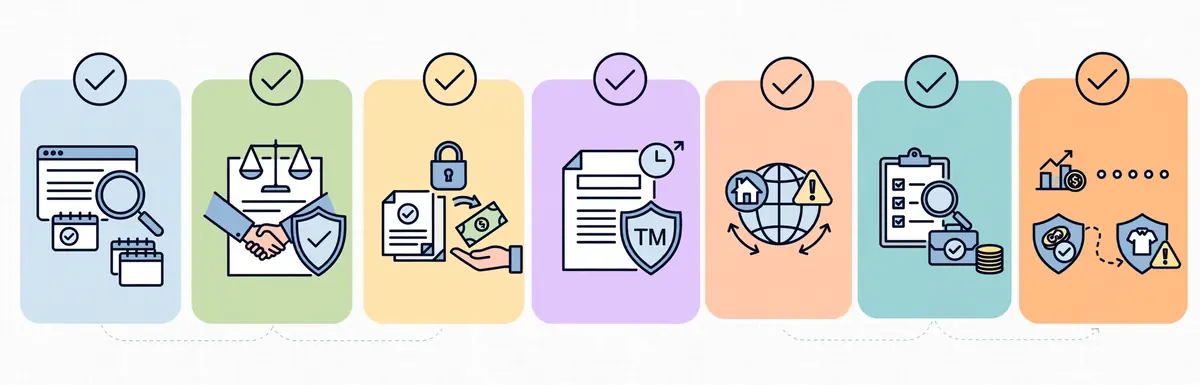
Consider a hypothetical fintech startup evaluating a 5-letter .com that reads as a coined, pronounceable word. A TESS search shows no live trademark in Class 36 (financial services), but a company in Class 25 (apparel) holds a registered mark for the identical string. Because clothing and fintech software are unrelated in the eyes of most trademark examiners, the likelihood-of-confusion risk is low – but not zero, especially if the apparel brand later expands into fintech-adjacent merchandise or co-branded products.
This is the kind of nuanced judgment call that benefits from a documented search process and, for a serious acquisition, a second opinion from a trademark professional rather than a single database check.
Frequently Asked Questions
What is a domain trademark conflict?
A domain trademark conflict happens when a domain name is identical or confusingly similar to a trademark someone else already has rights to, whether through federal registration or established common-law use in the marketplace.
Does owning a domain give me trademark rights?
No. Domain registration and trademark rights are separate legal systems. Owning the domain lets you control the web address; it does not automatically grant you the right to use that name as a commercial brand.
How do I check if a domain has a trademark conflict?
Search the USPTO’s TESS database, check common-law use through Google and social platforms, review international databases like WIPO’s Global Brand Database, and examine the domain’s prior usage history through WHOIS and the Wayback Machine.
Can I lose a domain I legally purchased over a trademark dispute?
Yes. Under the UDRP process or the Anticybersquatting Consumer Protection Act, a trademark owner can force the transfer or cancellation of a domain if they prove the use creates a likelihood of confusion or was registered in bad faith.
Is a 5-letter domain more likely to have a trademark conflict than a longer domain?
Generally yes, because short, brandable, pronounceable strings are more likely to overlap with existing coined brand names across unrelated industries, increasing the odds of an accidental match.
Should I hire a trademark attorney before buying a premium domain?
For any domain that will anchor your company’s brand identity, or any purchase above a modest price point, a formal attorney-led clearance search is a worthwhile investment against a much costlier future rebrand.
Conclusion

A domain trademark conflict rarely announces itself at the point of purchase – it surfaces months later, usually right after a brand launch generates enough visibility to catch a trademark owner’s attention. Running a structured search across USPTO records, common-law use, international databases, and the domain’s own history turns a guessing game into an informed business decision. For buyers evaluating premium, brandable domains, that extra hour of research is consistently cheaper than the rebrand it can prevent.
Ready to find a 5-letter domain that’s both brandable and built to last? Explore our current 5-letter domain names for sale and start your next brand with a clean legal foundation.